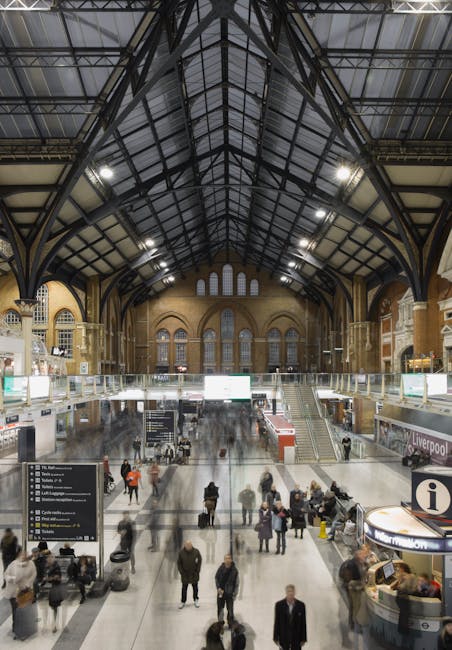
Liverpool Street station emergency rubbish removal same day: a practical guide for urgent clearances
If you need Liverpool Street station emergency rubbish removal same day, you are probably dealing with a messy moment rather than a neat plan. Maybe a shop frontage has been blocked by bags, a flat has overflowed after a move, or a business has to get rid of waste before opening time and the place is starting to smell a bit off. Whatever the trigger, speed matters. So does doing it properly.
This guide explains how urgent rubbish removal around Liverpool Street works, what can be cleared on the day, what to avoid, and how to choose a service that is fast without being reckless. You will also find a checklist, a comparison table, and a realistic step-by-step process so you can move from "we need this gone now" to a clean, workable space without wasting time.
Why Liverpool Street station emergency rubbish removal same day matters
Liverpool Street is one of those places where space is at a premium and delays are felt quickly. A corridor stacked with boxes, a lobby with broken furniture, or a pile of mixed waste outside a property can become more than an inconvenience. It can affect access, reputation, safety, and sometimes even whether a business can keep running smoothly that day.
Emergency rubbish removal is not only about tidiness. It is about restoring function. If a delivery route is blocked, if an office needs to reopen after a clear-out, or if a landlord needs a flat made presentable before new occupants arrive, same-day clearance can stop a small problem from turning into a bigger one. To be fair, that is usually the point where people call for help: when the waste stops being background noise and starts getting in the way of real life.
There is also a practical weathering effect in central London. Waste left outside for too long can attract complaints, create smells, and make a site look neglected. In busy areas, that can become awkward very quickly. A same-day response helps you stay on top of that pressure rather than chase it for another few days.
Expert summary: same-day rubbish removal is most valuable when the waste is actively disrupting access, safety, or operations. The fastest solution is usually the one that is planned cleanly, priced clearly, and loaded efficiently first time.
How Liverpool Street station emergency rubbish removal same day works
In most urgent cases, the process is simple on paper and a little hectic in real life. You contact the provider, explain what needs removing, share enough detail for a quick assessment, and arrange a collection window. The better the information, the easier it is to send the right size team and vehicle, which saves everyone a headache.
Same-day clearance often works best when the waste is already gathered in one place. If the rubbish is scattered across a flat, office, or basement, the crew may still remove it, but access and labour time will shape what can be achieved. A clear path, a lift booking, parking awareness, and a sensible description of the load can make all the difference.
For mixed or bulky waste, the team may sort items as they load, separating recyclables where appropriate and identifying anything that needs special handling. That is one reason services such as waste removal are often a better fit than trying to improvise with a last-minute car boot run. Urgent jobs need structure, not guesswork.
Sometimes the quickest response is part clearance, part coordination. For example, office waste might be cleared in one sweep while confidential papers are set aside for secure handling. A flat may need furniture removed first, then smaller bagged rubbish, then an appliance collected separately. The sequence matters. If you get the order wrong, you slow everything down. Simple as that.
Key benefits and practical advantages
The obvious benefit is speed. Same-day rubbish removal gives you breathing room when time is tight, and that alone can be worth a great deal. But there are several other benefits that matter just as much.
- Reduced disruption: you can reopen rooms, corridors, or workspaces without waiting for the next available slot.
- Better first impressions: helpful for landlords, agents, shops, offices, and anyone expecting visitors.
- Safer movement: clearing trip hazards, sharp edges, and blocked exits quickly lowers risk.
- Less stress: urgent clutter has a way of taking over your day; getting it removed quickly helps you think again.
- More flexible handling: bulky items, mixed waste, and awkward access can often be managed more efficiently by an experienced team.
Another practical benefit is avoiding the "I'll deal with it tomorrow" trap. We have all seen that one. Bags start in the corner, then spread to the hall, then suddenly half the room is unavailable. Same-day removal interrupts that spiral before it gets embarrassing or expensive.
If you are clearing a workplace, this can be especially valuable. Services like business waste removal are helpful where timing, discretion, and repeatability matter. The same logic applies to urgent residential clearances too, especially in shared buildings where neighbours are not going to enjoy a trail of rubbish in the stairwell.
Who this is for and when it makes sense
Same-day emergency rubbish removal is not only for dramatic disasters. In fact, most requests are fairly ordinary when you look at them closely. They just need doing quickly.
This service makes sense for:
- landlords facing a last-minute turnaround between tenancies
- tenants who need to clear a flat before an inspection or end of lease
- offices dealing with a sudden bulk waste pile-up after a refit or move
- retail or hospitality businesses that cannot leave waste outside overnight
- builders or decorators who have leftover materials to clear quickly
- homeowners with bulky items blocking access to a room or hallway
It is also useful when the job is emotionally loaded. Bereavement clearances, a sudden change in living arrangements, or a rushed sale can make rubbish removal feel heavier than it "should" be. Truth be told, those jobs are often less about waste and more about making the next step possible.
If the task includes larger household items, it may be worth checking related services such as flat clearance, house clearance, or home clearance. That is especially useful when the rubbish is part of a bigger clear-out rather than a simple bag collection.
Step-by-step guidance
1. Identify what must go today
Start with the urgent items only. Do not try to solve six months of clutter in one panicked phone call unless you truly need to. Separate the waste into groups: general rubbish, bulky furniture, appliances, building debris, and anything potentially hazardous. This first sort is what makes a same-day job realistic.
2. Make access easy
Clear the route from the waste to the exit. If there are locked doors, narrow stairwells, lift restrictions, or parking issues near Liverpool Street, mention them early. It sounds obvious, but access problems are one of the main reasons urgent jobs run late. A small delay at the building entrance can snowball fast.
3. Be honest about volume and weight
When people understate the amount of rubbish, the job becomes awkward for everybody. If there are three mattress-sized items, say so. If there is builder's rubble, say that too. The goal is not to impress anyone with a tidy description; the goal is to get the right vehicle and labour on site.
4. Ask what can be taken immediately
Some items are straightforward. Others are not. Fridges, freezers, certain appliances, and materials that may require special handling should be declared early. If you are dealing with an appliance, see whether fridge and appliance removal is the more suitable route. For construction debris, builders waste clearance may fit better than a general load.
5. Confirm pricing and payment details before arrival
One of the most useful habits is asking how the quote is built. Is it based on volume, item type, labour, access, or a combination? If there are extra charges for awkward access, heavy lifting, or special items, it is better to know before the team turns up. The provider's pricing and quotes information should help you understand what to expect.
6. Keep an eye on the handover
Once the team arrives, walk them through the job once, then let them work. If you have items to keep, set them aside clearly before they start. A little silence and a clear doorway can save a lot of confusion later. It is a small thing, but very real.
Expert tips for better results
There are a few details that consistently make urgent collections smoother. These are the kind of things people only learn after a couple of rushed clearances, which is why I am spelling them out here.
- Stage the rubbish before the collection window. One tidy pile is much easier to remove than six small clusters around the property.
- Protect what stays. If a sofa or cabinet is remaining, move it away from the loading path so it does not get knocked.
- Photograph awkward items. A quick picture can help the provider judge load size and access more accurately.
- Separate obvious recyclables. It can make sorting quicker and may support better material recovery.
- Tell people in the building. In shared premises, a quick heads-up avoids unnecessary friction at the lift or stairwell.
If your clearance includes older paper records or confidential material, do not mix them into loose rubbish. Consider confidential shredding for anything sensitive. That little bit of care can prevent a much bigger headache later.
Also, if you are dealing with mixed waste from a refit or strip-out, it helps to remember that emergency clearance is not the same as a skip-and-forget approach. The fastest result is often the one where you have pre-sorted enough to let the crew move swiftly. The irony is a bit funny: a few minutes of prep can save an hour of faff.
Common mistakes to avoid
Urgent jobs go wrong for predictable reasons. Most of them are avoidable.
- Leaving the call too late: if a deadline is fixed, do not wait until the last possible hour to arrange clearance.
- Underestimating access difficulties: tight stairwells, no parking, and lift restrictions matter more than people think.
- Mixing prohibited or hazardous items in with general rubbish: this can delay the load and complicate disposal.
- Failing to separate keep piles from remove piles: a last-minute mix-up can be annoying, especially in a busy flat or office.
- Assuming every provider handles everything: some items may need specialist treatment, which is why accurate disclosure matters.
One of the sneakier mistakes is treating same-day removal like a moving-day dump. Different aim, different method. If the waste includes bulky soft furnishings, for example, look at mattress and sofa disposal rather than assuming everything can be bundled together with no checks.
And for the record, "I thought it would be fine" is not a plan. It is a sentence that usually arrives after the stress has already started.
Tools, resources and recommendations
You do not need special equipment for most emergency rubbish removal jobs, but a few simple tools help more than you would expect.
- Gloves: useful for moving sharp-edged bags or dusty items safely.
- Tape and labels: great for marking what stays and what goes.
- Phone camera: quick photos make quoting and planning easier.
- Basic trolley or sack truck: handy if you are moving items to a central point before collection.
- Bin bags or rubble sacks: particularly useful for mixed lightweight waste and small debris.
For disposal guidance, it can also help to check what a provider accepts before booking. Their page on what can go in a skip can be useful as a general reference point, even if you are not actually hiring a skip. It helps you think in categories: what is fine, what may need separate handling, and what should never be mixed casually with general waste.
If the clear-out is really part of a larger property project, you may find related services helpful too, such as office clearance, furniture clearance, or furniture disposal. Not every urgent job is the same, and the more precise the fit, the smoother the day.
Law, compliance, standards, or best practice
For rubbish removal in London, compliance is not just a box-ticking exercise. It is part of how the job stays safe and responsible. Waste should be handled, transported, and disposed of in line with accepted UK practice. That means being careful about what is mixed together, making sure the waste goes to an appropriate facility, and treating hazardous or specialist materials separately where needed.
If you are a business, you also have to think about duty of care in plain English: you should know who is taking the waste, what they are taking, and whether they are set up to handle it properly. That is especially relevant for offices, shops, landlords, and contractors working near Liverpool Street, where fast clearances often happen alongside busy operations.
Some loads need extra caution. Paints, chemicals, solvents, old fluorescent tubes, and other risky items should not be thrown into ordinary rubbish without checking the correct route. For anything uncertain, a provider's hazardous waste disposal guidance is worth reviewing before collection day.
It is also sensible to choose a company that can speak clearly about safety, transport, and site conduct. Pages such as health and safety policy, insurance and safety, and recycling and sustainability show how a responsible provider thinks about the job beyond just getting items off the premises.
Options, methods, or comparison table
When you need waste gone quickly, you usually have a few realistic options. Which one is best depends on the type of rubbish, access, and how urgent the deadline really is.
| Option | Best for | Pros | Limits |
|---|---|---|---|
| Same-day rubbish removal | Urgent clearances, bulky waste, mixed loads | Fast, flexible, minimal disruption | Needs accurate load description and access planning |
| Pre-booked clearance | Planned moves, renovations, routine decluttering | Usually easier to schedule and stage | Not ideal if a deadline is immediate |
| Skip hire | Longer projects with a stable load point | Useful for ongoing work and repeated waste disposal | Requires space, permits may be needed, and loading takes time |
| DIY disposal | Very small loads with plenty of time | Low direct cost if you already have transport | Time-consuming, physically awkward, and not suitable for everything |
If you are dealing with a modest but awkward load, emergency removal is often the easiest answer. If the job is bigger but not urgent, a structured service can be better. And if you are trying to clear an entire property, something like loft clearance or garage clearance may be the more appropriate choice because those jobs often involve more sorting than people first expect.
Case study or real-world example
A small office near Liverpool Street had a familiar problem: after a last-minute furniture shuffle, two broken chairs, boxed packaging, and a pile of mixed office waste were left in a meeting room the afternoon before visitors were due. Nothing dramatic. Just enough to be awkward.
The team had already done the sensible part: they grouped the rubbish together, cleared the hallway, and made a quick list of what had to stay. They also checked the lift access and told building management that removal would happen that afternoon. That tiny bit of preparation probably saved the day.
When the clearance team arrived, the load was straightforward because the office had already separated the bulky items from the lighter waste. The result was simple: the room was usable again, the unpleasant smell of old cardboard was gone, and the staff could carry on without rethinking the next two days. Not glamorous, but very effective.
That kind of job is common. It does not always look like an emergency from the outside, but if you are the person trying to fix it before lunch, it is absolutely an emergency.
Practical checklist
Use this checklist before the collection window starts.
- Confirm exactly what needs removing
- Separate keep items from throw-away items
- Take a few photos of the load if it helps
- Check access, parking, and lift restrictions
- Make sure bagged rubbish is stacked neatly
- Set aside any hazardous or uncertain items
- Move fragile items out of the way
- Share the building access details with the provider
- Confirm the quote and payment method
- Ask whether recycling or sorting will be part of the service
- Keep your phone close in case the crew needs directions
If the job includes a property-wide clear-out rather than just rubbish bags, it may also help to review house clearance or home clearance options first. That way you do not underestimate the scale. Happens all the time.
Conclusion
Liverpool Street station emergency rubbish removal same day is about more than speed. It is about recovering control when waste is blocking access, causing stress, or getting in the way of business or daily life. The best results usually come from clear information, simple preparation, and choosing the right kind of removal for the load in front of you.
Whether you are clearing a flat, an office, a shop, or a mixed bag of awkward rubbish, the same principles hold: describe the job honestly, stage the waste neatly, and keep anything hazardous or sensitive separate. That approach saves time and usually saves money too, which is hard to argue with.
Get a free quote today and see how much you can save.
And if the pile is staring back at you from the corner right now, take a breath. One good clear-out really can change the feel of the whole place.
Frequently Asked Questions
What counts as emergency rubbish removal near Liverpool Street station?
It usually means any waste that needs to be removed quickly because it is blocking access, affecting safety, creating a smell, or putting a deadline at risk. That might be rubbish bags, furniture, packaging, mixed waste, or leftover items after a move or refit.
Can rubbish be removed on the same day?
Yes, if the provider has availability and the job details are clear enough to plan properly. Same-day collection is easier when the load is staged, access is simple, and the item types are described honestly from the start.
What information should I give when booking?
Share the type of waste, approximate volume, access details, whether there is a lift or stairs, and any items that may need special handling. A few photos can help a lot. They really can.
Is same-day rubbish removal more expensive?
It can be, depending on the size of the job, how urgent it is, and how much labour is needed. That said, a clear quote based on accurate information is usually better than guessing and discovering extra delays later.
Can office waste be removed urgently?
Yes. Urgent office clearances are common, especially after moves, refurbishments, or short-notice clean-ups. If confidential papers are involved, keep them separate and ask about secure handling through confidential shredding.
What should I do with fridges, freezers, or other appliances?
Do not mix them casually with general rubbish. Appliances often need separate handling, and some items contain components that should be dealt with carefully. It is best to check appliance-specific removal before collection.
Can builders' waste be collected the same day?
Often yes, provided the load is described properly and the collection team knows it is construction-related debris. For mixed rubble, timber, and packaging, a builder-focused clearance is usually the better fit.
What if I have hazardous waste?
Keep it separate and disclose it before booking. Do not place chemicals, paints, solvents, or other risky materials into normal rubbish unless you have been told the correct route. This is one area where caution pays off.
Do I need to be present for the collection?
Not always, but someone should usually be available if access instructions are needed or if there is any chance the crew must confirm what stays and what goes. In a busy central London setting, a quick handover is often the easiest option.
How can I make the removal faster?
Group the waste into one area, clear the path to the exit, separate keep items, and share accurate access details beforehand. The cleaner the setup, the faster the job tends to move. A tidy start saves a lot of faff.
Is emergency rubbish removal suitable for landlords and letting agents?
Yes, especially when a property needs to be turned around quickly between occupiers. Same-day removal can help restore a flat or house to a presentable condition without stretching the schedule.
What if I am not sure whether the load is too big for same-day removal?
Ask for guidance before the booking is confirmed. A provider can usually tell you whether the job needs a standard same-day clearance, a fuller property clearance, or a different approach altogether. It is better to ask than to guess.