What to know about bulky waste booking delays Spitalfields
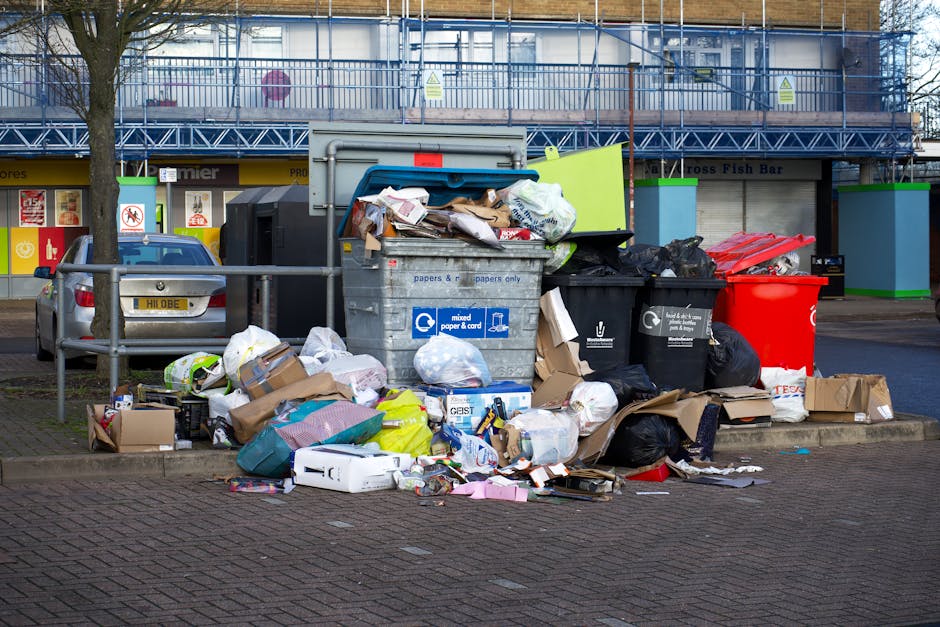
If you are trying to clear a sofa, mattress, broken wardrobe, or a pile of office furniture in Spitalfields, delays can turn a simple job into a frustrating one. What to know about bulky waste booking delays Spitalfields comes down to this: slots fill up fast, access can be awkward, and the wrong preparation can push a collection back by days. In a busy part of East London, that matters. A lot.
This guide explains why bookings get delayed, how the process usually works, what you can do to reduce waiting time, and when a private clearance service may be the smoother option. We will keep it practical. No fluff, no mystery. Just the sort of advice that helps when the hallway is crowded, the lift is tiny, and the bulky item has somehow become the main character.
- Why it matters
- How booking delays work
- Key benefits and practical advantages
- Who this is for
- Step-by-step guidance
- Expert tips
- Common mistakes to avoid
- Tools, resources and recommendations
- Law, compliance, standards, or best practice
- Options, methods, or comparison table
- Case study or real-world example
- Practical checklist
- Conclusion
- Frequently asked questions
Why What to know about bulky waste booking delays Spitalfields Matters
Booking delays are not just an inconvenience. They can affect moving dates, landlord handovers, office refits, end-of-tenancy cleaning, and even the simple use of a room. If a bulky item is sitting in the way, every extra day becomes more noticeable. You start stepping around it. Then it becomes part of the furniture. Not ideal.
In Spitalfields, the practical challenge is often the setting itself. Narrow streets, controlled access, shared entrances, timed loading windows, and limited storage space can all make bulky waste collections harder to schedule. Even if the item itself is straightforward, the logistics around it may not be. And that is where delays creep in.
It also matters because people often assume all bulky waste is handled the same way. It is not. A single sofa may be simple enough. A mixed load of furniture, white goods, and awkward items may need more time, more coordination, or different handling. Understanding the process helps you avoid wasted time and repeated calls.
Expert summary: The biggest cause of bulky waste booking delays in Spitalfields is rarely the item alone. It is usually a mix of timing, access, item type, and incomplete preparation. Sort those four things early and you have already improved your chances.
There is another reason this topic matters: delays often cost more than people expect. Not always in money, but in stress. A missed collection can slow down decorating, make a flat look untidy during viewings, or leave business premises looking half-finished. If you are in a hurry, waiting around is the last thing you need.
How What to know about bulky waste booking delays Spitalfields Works
In plain English, bulky waste booking means arranging for large household or commercial items to be collected and removed rather than taken to a standard bin. The booking stage is where the date, access details, item list, and collection method are confirmed. Delays can happen at any point in that chain.
Sometimes the delay is internal to the provider: the next available slot may simply be later than expected. Other times it is operational. The crew may need more time per job than planned, traffic may be heavy, or access may be limited by parking and loading conditions. In a busy local area, the small things stack up fast.
For readers comparing services, it helps to understand the difference between a booked removal and a flexible on-demand clearance. A booked service usually follows a set schedule, whereas a responsive clearance team may be able to adapt more quickly. That flexibility can be useful if your item needs to go soon and the calendar is not being kind.
If you are dealing with mixed waste, it is worth checking whether the provider handles everything in one visit or whether some items need separate treatment. For example, a sofa, fridge, and office chair may all be classed differently in practice. That is one reason clear item descriptions matter so much.
Many people also discover that access is the hidden time sink. A collection on paper looks simple. Then the crew arrives and finds no lift reservation, no parking space, or no one available to unlock the gate. Little hiccups like that can delay the job even when the booking itself was accepted. Truth be told, this is where a lot of frustration starts.
Key Benefits and Practical Advantages
Even with the risk of delays, getting bulky waste booked properly is still the sensible move. Done well, it saves you from moving heavy items yourself, reduces injury risk, and gives you a cleaner, clearer space faster than waiting for the problem to sort itself out. It also helps you avoid the awkward "we will just leave it in the hallway for now" stage, which never feels temporary for long.
Here are the main advantages of planning ahead:
- Less disruption: You can choose a collection window that works around work, deliveries, or building access.
- Better safety: Heavy items are moved by people used to handling awkward loads.
- Cleaner turnaround: Useful when you need the space clear for a move, refit, or sale.
- More predictable outcomes: Good booking details reduce the chance of last-minute surprises.
- Smarter cost control: Clear information helps avoid avoidable re-visits or extra handling.
There is also a quieter benefit that people sometimes overlook: peace of mind. Once the collection is booked properly, you can stop mentally carrying the job around. That alone is worth something, especially during a busy week.
If your bulky waste is part of a larger clearance, it may help to think in terms of the whole property rather than just one item. Services such as flat clearance, house clearance, and home clearance can sometimes be a better fit than trying to arrange item-by-item removal.
Who This Is For and When It Makes Sense
This topic is relevant for a lot of people, more than you might think. Let's face it, bulky waste has a way of appearing exactly when life is already busy.
You may need to understand booking delays if you are:
- moving out of a flat or house in Spitalfields
- clearing furniture after a tenancy ends
- replacing office furniture or equipment
- emptying a loft, garage, or storage space
- dealing with a single awkward item like a mattress or fridge
- preparing a property for sale, refurbishment, or letting
- trying to coordinate a collection around builders, decorators, or cleaners
The topic is especially useful if you live in a building with shared access or limited parking. In Spitalfields, that is common enough. Older buildings, compact streets, and mixed-use premises can make timing much less flexible than people expect.
It also makes sense if you are comparing removal options. If you only have one item, a targeted collection might be enough. If the space is full of mixed waste, a broader service such as furniture clearance or waste removal may be more efficient.
Sometimes the real question is not "How do I book?" but "What is the fastest sensible way to clear this without creating another headache?" That is the one to ask.
Step-by-Step Guidance
Here is a practical way to approach bulky waste booking when delays are a concern. Nothing fancy. Just the sequence that tends to work best.
- List every item clearly. Write down what needs removing, including size, quantity, and whether anything is broken, heavy, or awkward.
- Check access before you book. Think about stairs, lifts, parking, loading space, gate codes, and timing restrictions.
- Decide whether it is a single item or a larger clear-out. That choice affects the type of service you need.
- Ask about availability early. If time matters, do not leave the booking until the last minute.
- Prepare the items in advance. Move them to a place where they can be collected safely and without delay.
- Separate anything special. Appliances, confidential waste, or hazardous items may need different handling.
- Confirm the details. Double-check the date, contact number, access instructions, and any restrictions.
- Keep the path clear. That one sounds obvious, but it saves a lot of time on the day.
If you are trying to minimise the risk of delay, the first three steps are the big ones. Most problems start there. A vague booking with no access detail is how a simple job becomes a two-day problem. Nobody wants that.
For busy homes, it can help to package the job as part of a wider tidy-up. For example, if you are already clearing a loft, pairing it with loft clearance or garage clearance can reduce the number of separate visits and make scheduling easier.
Expert Tips for Better Results
In our experience, the smoothest bookings are not always the quickest to arrange, but they are the ones with the clearest information. That sounds simple. It is simple. Yet people skip it all the time.
- Photograph awkward items. A quick photo can help show size, condition, and access issues more clearly than a text description.
- Measure doorways and stair turns. Especially useful for bulky furniture in older Spitalfields buildings.
- Keep the collection point obvious. If the crew has to hunt for the item, time disappears fast.
- Group similar items together. Sofas with sofas, appliances with appliances. It helps with loading and planning.
- Be honest about weight and condition. A waterlogged mattress or damaged cabinet can be heavier than it looks.
- Build in a time buffer. If you need the room clear by Friday morning, try not to book a collection for Friday afternoon. Bit risky.
One small but useful habit: keep your phone close on the day of collection. If the team cannot get in or needs a quick clarification, a prompt reply can save the slot. It sounds minor, but it really does help.
Another practical tip is to think about related services. If the job includes office furniture, sensitive paperwork, or mixed business waste, a specialist option such as office clearance, business waste removal, or confidential shredding may be more appropriate than a generic collection.
And if you are dealing with one very awkward item, say a fridge or old sofa, it may be worth exploring dedicated services like fridge and appliance removal or mattress and sofa disposal. That can save time when the main issue is not volume but awkwardness.
Common Mistakes to Avoid
The same few mistakes cause most of the delays. Avoid these and you will already be ahead of the game.
- Leaving the booking too late. The later you leave it, the fewer options you have.
- Under-describing the load. "A bit of furniture" is not enough. Be specific.
- Ignoring access problems. Tight stairwells and no parking can ruin a tight schedule.
- Mixing restricted items with ordinary waste. Some materials need special handling.
- Assuming one vehicle fits every job. If there is more than you first thought, the plan may need adjusting.
- Forgetting building rules. Shared entrances and time-limited access can catch people out.
Another common issue is not checking whether the item can be broken down safely before collection. Sometimes a table, wardrobe, or bed frame can be dismantled to speed things up. Sometimes it cannot, or should not, because it would make removal messier or riskier. A bit of judgement goes a long way here.
And yes, the old classic: "It will only take five minutes." That sentence has caused more trouble than it deserves.
Tools, Resources and Recommendations
You do not need specialised software to manage bulky waste booking delays, but a few basic tools make the process smoother.
- Phone camera: Good for recording the item, access route, and any damage or awkward dimensions.
- Measuring tape: Useful for checking door widths, stairs, and furniture size.
- Simple checklist: Helps you confirm item type, access, and timing before booking.
- Calendar reminder: Handy for preparation day and collection day.
- Building access notes: Keep codes, entry instructions, and contact details in one place.
If you are comparing services, pages like pricing and quotes and book online can help you understand the process and move faster once you are ready. For people wanting a broader overview of what the company handles, the main Spitalfields clearance website is the easiest starting point.
For waste that involves recycling or lower-impact disposal decisions, the page on recycling and sustainability is worth a look. If your waste is unusual, possibly unsafe, or needs extra care, hazardous waste disposal is a more appropriate route than mixing it with regular bulky items.
One useful recommendation: keep a short note of what was quoted and what was agreed. It does not need to be formal, just enough to avoid misunderstandings. That tiny habit can save a lot of back-and-forth later.
Law, Compliance, Standards, or Best Practice
For bulky waste in the UK, the practical standard is simple: items should be handled responsibly, safely, and with the right disposal route for the material type. If you are a homeowner or tenant, you should avoid leaving waste in communal areas or on the street without proper arrangement. That can create nuisance, block access, and cause avoidable issues with neighbours or building management.
For businesses, the bar is usually higher because you may also need to consider duty of care, safe handling, and separation of materials. Confidential items, electricals, appliances, and anything unusual should be treated carefully and not bundled together just because it is convenient. Convenient is not always correct.
From a best-practice point of view, the main things are:
- describe waste accurately before booking
- separate special items from general furniture where needed
- make access safe and realistic
- use a provider that is clear about handling and disposal methods
- keep records of what was removed if you need them later
If you are uncertain about an item, it is better to ask before collection day than to discover a problem at the kerb. Small uncertainty now usually beats bigger delay later. Every time.
Options, Methods, or Comparison Table
When bulky waste booking is delayed, people usually consider three main approaches: wait for the next available slot, split the job into smaller parts, or use a more flexible clearance option. Each has its place.
| Option | Best for | Typical strengths | Possible drawbacks |
|---|---|---|---|
| Standard booked collection | Single or simple bulky items | Clear process, predictable timing | Slots may be limited and delays can happen |
| Item-specific clearance | Furniture, appliances, mattresses, sofas | More tailored handling, better for awkward items | May need extra detail in the booking |
| Full-property clearance | Flats, houses, lofts, garages, offices | Efficient when there is a lot to remove | Needs better planning and item sorting |
| Staged removal | When access is tight or time is short | Reduces pressure, can work around constraints | May take more than one visit |
The right option depends on what you are trying to clear and how quickly. If you are in a flat above a busy street, with limited lift access and no easy parking, a single-item plan may look simple but end up being the least efficient choice. Conversely, if you only have one sofa, a full clearance would be overkill. Obvious, maybe, but people do get caught by this.
Case Study or Real-World Example
Imagine a small flat near the heart of Spitalfields. The tenant needs a sofa, a mattress, and an old desk removed before key handover on Friday morning. On Monday, the initial booking is made without measuring the stairs or checking parking. By Tuesday, the provider asks for clearer access details. By Wednesday, the landlord wants confirmation that the space will be empty in time. Suddenly the easy job has become a stressful one.
Now compare that with a better-prepared version. The tenant sends photos, confirms the floor level, notes that the lift is too small for the sofa, and arranges the items near the entrance the day before collection. The crew arrives knowing what to expect. Fewer questions, less waiting, far less chance of delay. Same items. Very different experience.
Another example: a small office clears out old filing units and two worn chairs during a refit. The team also has confidential paperwork and a broken fridge. If the booking does not separate those items, the collection may be delayed while the provider checks handling requirements. But if the office arranges office clearance with relevant add-ons, the job becomes much easier to coordinate. That is the sort of planning that saves time when the pressure is on.
What people notice most in real life is not just speed. It is how many back-and-forth messages disappear when the booking is well prepared. That is a lovely thing, frankly.
Practical Checklist
Use this before you confirm a bulky waste booking in Spitalfields.
- Have I listed every item clearly?
- Have I checked whether any item needs special handling?
- Do I know the exact access route, including stairs, lifts, and entrance codes?
- Have I confirmed whether parking or loading restrictions apply?
- Are the items ready and easy to reach on collection day?
- Have I separated anything confidential, hazardous, or especially fragile?
- Have I allowed enough time before a move-out, sale, or contractor visit?
- Have I kept a record of the booking details and agreed scope?
- Do I know who to contact if the timing needs to change?
- Have I considered whether a broader clearance would be more efficient?
If you can tick most of those off, your chances of delay drop quite a bit. Not zero, because life is life, but definitely better.
For households doing a wider declutter, services like furniture disposal or garage clearance may simplify the whole job. And if the issue is a larger mix of waste from renovations or repair work, builders waste clearance can be the more suitable route.
Conclusion
What to know about bulky waste booking delays Spitalfields is really about planning, clarity, and choosing the right kind of collection for the job in front of you. Delays usually happen when the booking is vague, the access is awkward, or the item type has not been explained well enough. The good news is that most of those issues are preventable.
If you prepare early, give accurate details, and match the service to the actual load, you give yourself a much smoother experience. That matters whether you are clearing one heavy item or a whole flat full of mixed belongings. A bit of preparation now saves a lot of head-scratching later. Simple as that.
Get a free quote today and see how much you can save.
When the space is finally clear and the awkward item is gone, the room feels different. Quieter, somehow. And that is usually the moment you realise the delay was the worst part of it all.
Frequently Asked Questions
Why do bulky waste bookings get delayed in Spitalfields?
Delays usually happen because of limited availability, access issues, unclear item descriptions, parking restrictions, or last-minute changes. In Spitalfields, tight streets and shared entrances can add extra friction.
How far in advance should I book bulky waste removal?
If timing matters, book as early as you can. Even a short delay in arranging access details can push the collection back, especially during busy periods.
What information should I give to avoid booking delays?
Give a clear list of items, floor level, access route, parking notes, and any special handling needs. Photos help too, especially for awkward furniture or large appliances.
Can one missing detail really cause a delay?
Yes. Missing access information, uncertain item size, or a forgotten restriction can all force a provider to pause the booking or reschedule. It sounds minor, but it happens a lot.
Is bulky waste removal different from general waste removal?
Usually, yes. Bulky waste refers to large items like furniture, mattresses, appliances, and similar objects, while general waste is more often mixed household or commercial rubbish. The booking needs may differ.
What if I only have one sofa or mattress?
A single-item service may be the most efficient choice. If the item is especially awkward or heavy, a dedicated service such as sofa disposal or mattress removal may be better than a broader booking.
Can I combine bulky waste with a larger clearance?
Absolutely. If you are clearing a flat, loft, office, or garage, combining items can sometimes reduce the number of visits and make scheduling easier. It depends on the volume and access, though.
Do I need to separate hazardous or confidential items?
Yes. Anything hazardous, sensitive, or legally delicate should be treated separately. It is safer and usually faster to flag those items before collection day.
What should I do if access is difficult?
Tell the provider early, measure where needed, and make the route as clear as possible. If stairs, lifts, or parking are tight, clear communication is your best friend here.
How can I speed up the booking process?
Send item details, photos, and access notes in one go. If you can confirm the preferred date and the exact collection point, you will usually cut out a lot of back-and-forth.
Are same-day bulky waste collections possible?
Sometimes, yes, depending on availability and the type of items involved. But same-day requests are more likely to work if the booking details are complete and access is straightforward.
What is the safest approach for heavy items in older buildings?
Use a service that understands awkward access, and do not try to move oversized furniture through tight spaces without a plan. Older buildings in Spitalfields can be charming, but they are not always friendly to oversized wardrobes.